Zirconia Crowns and Bridges in Marrakech
Synonymous with mechanical resilience and total tissue biocompatibility, zirconia is the undisputed modern standard for posterior restorations and multi-unit bridges at ELWAFA DENTAL Marrakech.
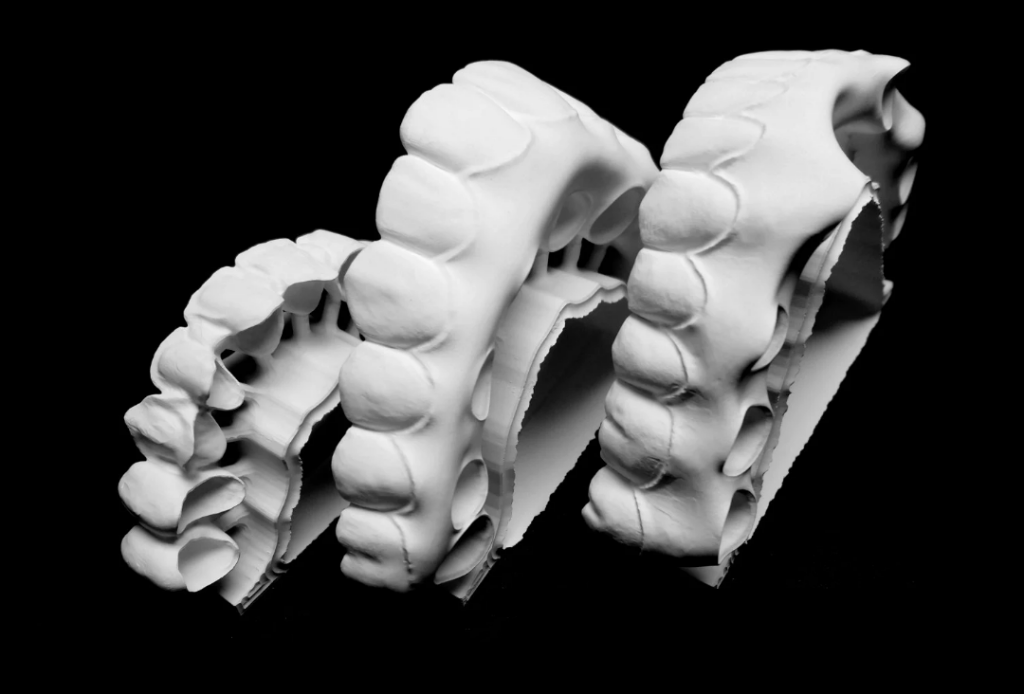
Artisan Craftsmanship at ELWAFA DENTAL Laboratory
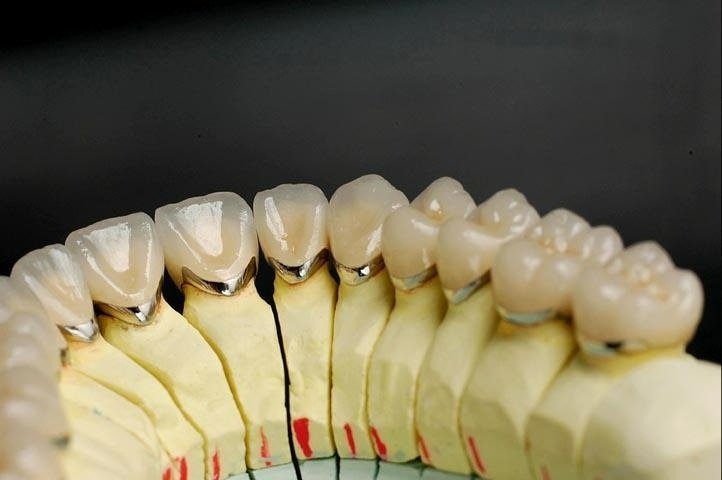
Zirconium oxide (ZrO₂) has established itself as the premier restorative material in fixed prosthodontics, replacing traditional metal frameworks. Completely metal-free, zirconia prevents gray cervical lines at the gingival margin, eliminating metal allergies and oral galvanism.
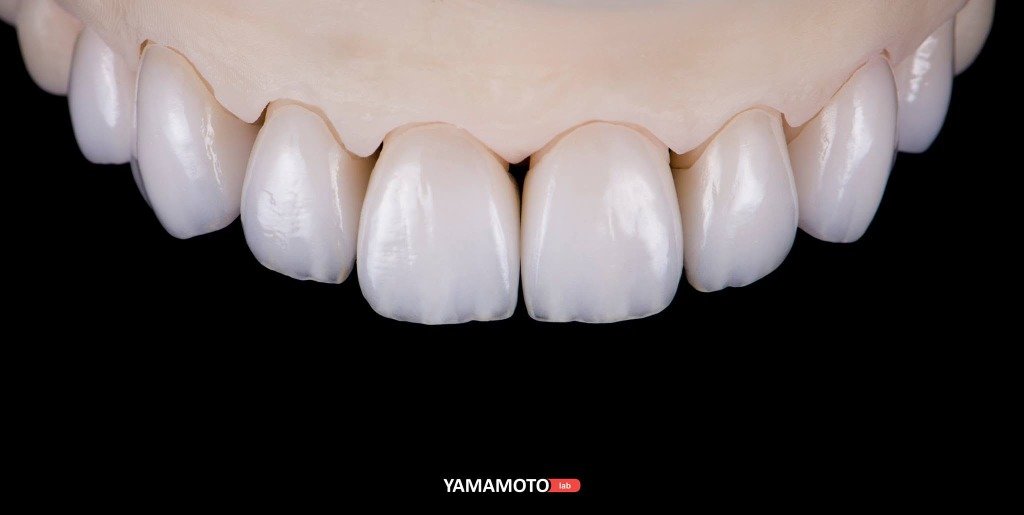
Utilizing next-generation multilayer zirconia (Multilayer 3D/4D/5D) at ELWAFA DENTAL, each milling disc incorporates a smooth continuous gradient: high mechanical strength at the cervical zone (up to 1200 MPa) and progressive translucency toward the incisal edge (up to 49% translucency).
Whether crafting a monolithic molar crown, an extensive 3-to-14 unit bridge, or a screw-retained implant substructure, our 5-axis robotic milling units ensure micron fidelity to the digital CAD file.
Why Prescribe This Restoration?
Extreme Flexural Strength (800 to 1200 MPa)
Designed to resist heavy masticatory forces even in bruxing patients and posterior molar zones.
100% Biocompatible & Non-Allergenic
Chemically inert material, causing zero mucosal toxicity, gingival inflammation, or metallic taste.
Gradual Multilayer Aesthetics
Smooth transition from opaque dentin to translucent incisal enamel without demarcation lines.
Versatile Luting or Bonding
Compatible with conventional glass ionomer cementation (RMGI) or resin bonding following alumina sandblasting and MDP primer.
Laboratory Fabrication Protocol
Digital Occlusal CAD Design
Exocad modeling with strict adherence to biological width, interproximal embrasures, and occlusal contact points.
Nesting & 5-Axis Robotic Milling
Strategic nesting within the multilayer blank to optimize exact shade gradation, followed by high-speed dry milling.
High-Temperature Sintering (1500°C)
Programmed 8 to 10-hour thermal ramp ensuring calibrated shrinkage and full crystalline densification.
Characterization Staining & Polishing
Occlusal fissure tinting, fine glazing, or high-luster mechanical mirror polish ensuring complete safety against antagonist teeth.
Primary Clinical Indications
- Posterior and anterior single crowns subject to heavy functional loads.
- Medium to long-span bridges (up to 14 units continuous or segmented).
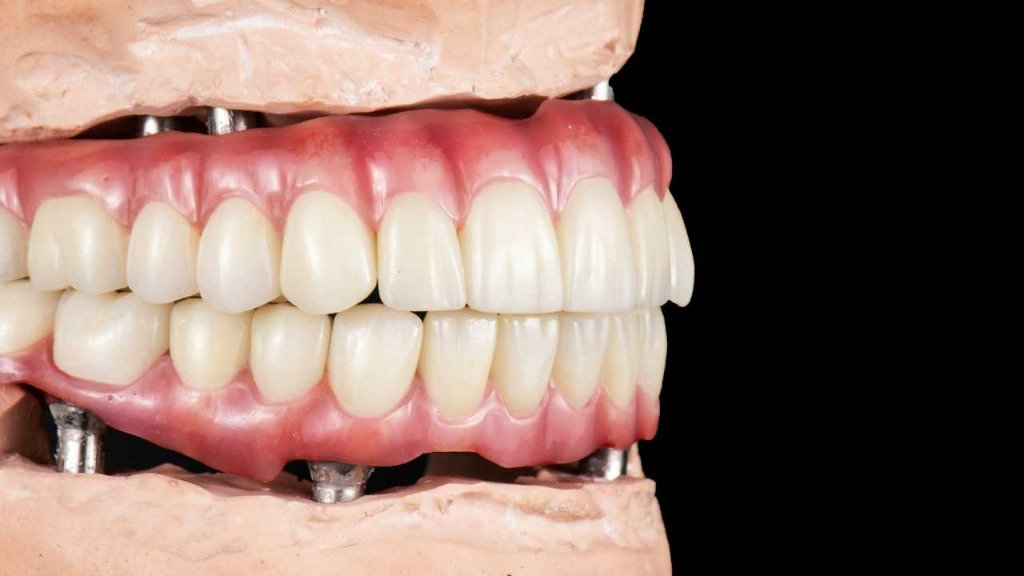
- Screw-retained implant crowns and bridges with direct occlusal screw channels.
- Replacement of aged porcelain-fused-to-metal crowns showing dark gingival lines.
Insights for Dental Surgeons & Patients
Does monolithic zirconia wear opposing natural teeth?
No, clinical studies confirm that properly mirror-polished monolithic zirconia is less abrasive to opposing enamel than traditional unpolished feldspathic porcelains.
What cementation or bonding protocol do you advise?
Conventional cementation using resin-modified glass ionomer (RMGI, such as Fuji Plus) delivers reliable results. For adhesive bonding, sandblast the internal intaglio with 50 µm aluminum oxide at 2 bars, followed by a 10-MDP primer (e.g., Monobond Plus or Z-Prime).
Can long-span zirconia bridges be manufactured in Marrakech?
Yes, our 5-axis milling units accommodate full 98 mm discs to mill bridges up to 14 units with cross-sectional connector dimensions calculated according to span length (minimum 9 to 12 mm²).
Complementary Prosthetic Solutions